




Staying on track with your health goals is a common challenge for many people. Between work, family, and social life, finding the time and energy to prioritize your health and well-being can be difficult. However, with a few simple strategies and mindset shifts, you can create healthy habits that last a lifetime. Here are six tips to help you stay on track with your health goals.
Ditch the Diet Mentality
One of the most important steps to achieving your health goals is to ditch the diet mentality. Fad diets are popular, but they often set unrealistic expectations and result in short-term weight loss rather than long-term lifestyle changes. Rather than following a diet plan, focus on eating a variety of nutritious, whole foods that will nourish your body.
Many diets require you to count calories or macronutrients, but this can be overwhelming and unsustainable. Instead, pay attention to how your body feels when you eat certain foods. Eat when you're hungry and stop when you're full. Focus on consuming foods that are rich in nutrients, such as fruits, vegetables, whole grains, lean proteins, and healthy fats. Over time, you'll develop a healthy relationship with food, and healthy eating will become a natural part of your lifestyle.
Release the Guilt
When you slip up and indulge in unhealthy foods or miss a workout, it's easy to fall into the trap of feeling guilty. However, this negative emotion can be counterproductive and even harmful to your mental health. Rather than beating yourself up, release the guilt and focus on the positive steps you can take to get back on track.
Remember that healthy habits are a journey, not a destination. Slip-ups are a natural part of the process, and they don't mean you've failed. Instead, focus on the progress you've made and the positive steps you can take to get back on track. Be kind to yourself and acknowledge that it's okay to make mistakes. By releasing the guilt and taking a positive approach, you'll be more likely to stay on track with your health goals.
Batch Cook
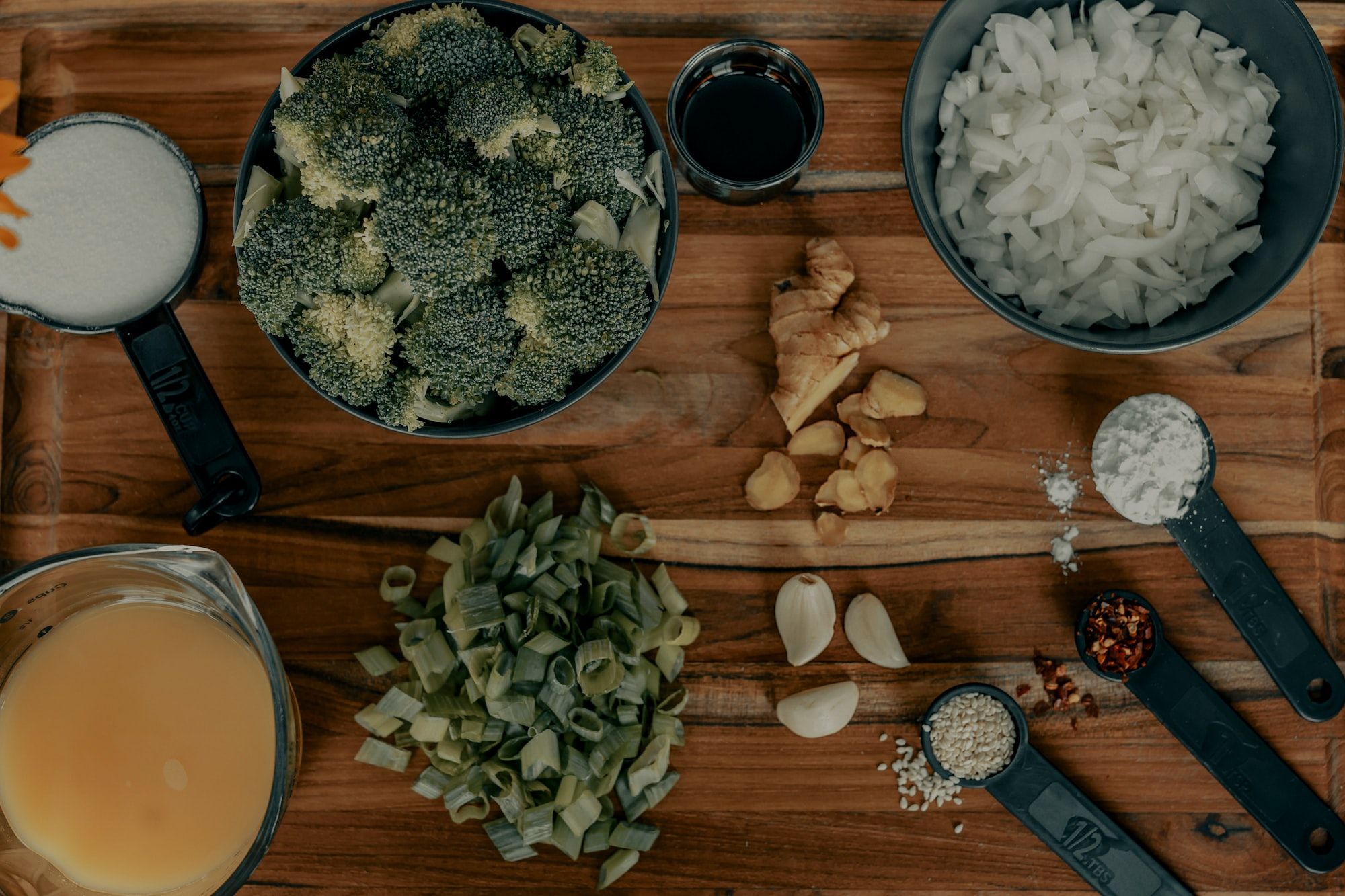
Meal preparation is a great way to stay on track with your health goals. However, finding the time and energy to prepare healthy meals every day can be challenging. One way to make meal preparation easier is to batch cook.
Batch cooking involves preparing large batches of food ahead of time and storing them for later. This can save you time and energy, and ensure that you always have healthy meals on hand. For example, you can cook a large batch of quinoa, roasted vegetables, or grilled chicken and store it in the refrigerator or freezer. When you're hungry, you can easily assemble a healthy meal in minutes.
Batch cooking doesn't have to be complicated. Start by choosing a few recipes that you enjoy, and prepare them in larger quantities. You can also experiment with new recipes and flavors to keep things interesting.
Take Time for Self-Care
Self-care is an essential part of staying on track with your health goals. Taking care of your mental and emotional well-being can help you stay motivated, reduce stress, and maintain healthy habits.
Self-care looks different for everyone, but some common practices include regular exercise, getting enough sleep, spending time with loved ones, practicing mindfulness or meditation, and pursuing hobbies or interests that you enjoy.
Remember that self-care is not a luxury; it's a necessity. Make time for self-care in your daily routine and prioritize activities that bring you joy and relaxation. By taking care of yourself, you'll be more likely to stay on track with your health goals and enjoy the process.
Food Journaling
Food journaling is a simple but powerful way to stay on track with your health goals. By writing down what you eat, you'll have a better understanding of your eating habits and can make more informed decisions about what to eat in the future. You can also track how certain foods make you feel, such as whether they give you energy or make you feel sluggish.
There are many different ways to journal your food intake. You can use a physical notebook, a digital app, or a website. The key is to be consistent and honest with yourself. Write down everything you eat and drink, including snacks and beverages. You can also track your water intake and exercise.
Food journaling can also help you identify patterns in your eating habits. For example, you might notice that you tend to snack when you're bored or stressed. By recognizing these patterns, you can take steps to change them and develop healthier habits.
Have Fun with Food
Healthy eating doesn't have to be boring or restrictive. In fact, it should be enjoyable and satisfying. To make healthy eating more fun, try new recipes, experiment with new ingredients, and cook with others.
Cooking and preparing food with others can be a fun and bonding experience. You can turn on music, dance in the kitchen, and make a game out of trying new recipes. Additionally, if you're stuck in a rut with your healthy eating, try one new recipe a week for six weeks. By the end of the six weeks, you'll have six new and delicious recipes to add to your repertoire.
Conclusion
Staying on track with your health goals is essential to leading a fulfilling and healthy life. By ditching the diet mentality, releasing the guilt, batch cooking, taking time for self-care, food journaling, and having fun with food, you can maintain healthy habits and achieve your health goals.
Remember that healthy eating and lifestyle habits are a journey, not a destination. It's okay to make mistakes and slip up from time to time. However, by practicing these six tips and being kind to yourself, you can stay on track and achieve your health goals.
By incorporating these tips into your daily routine, you'll be well on your way to living a healthier and happier life. So take the time to prioritize your health and well-being, and enjoy the journey towards your health goals.