
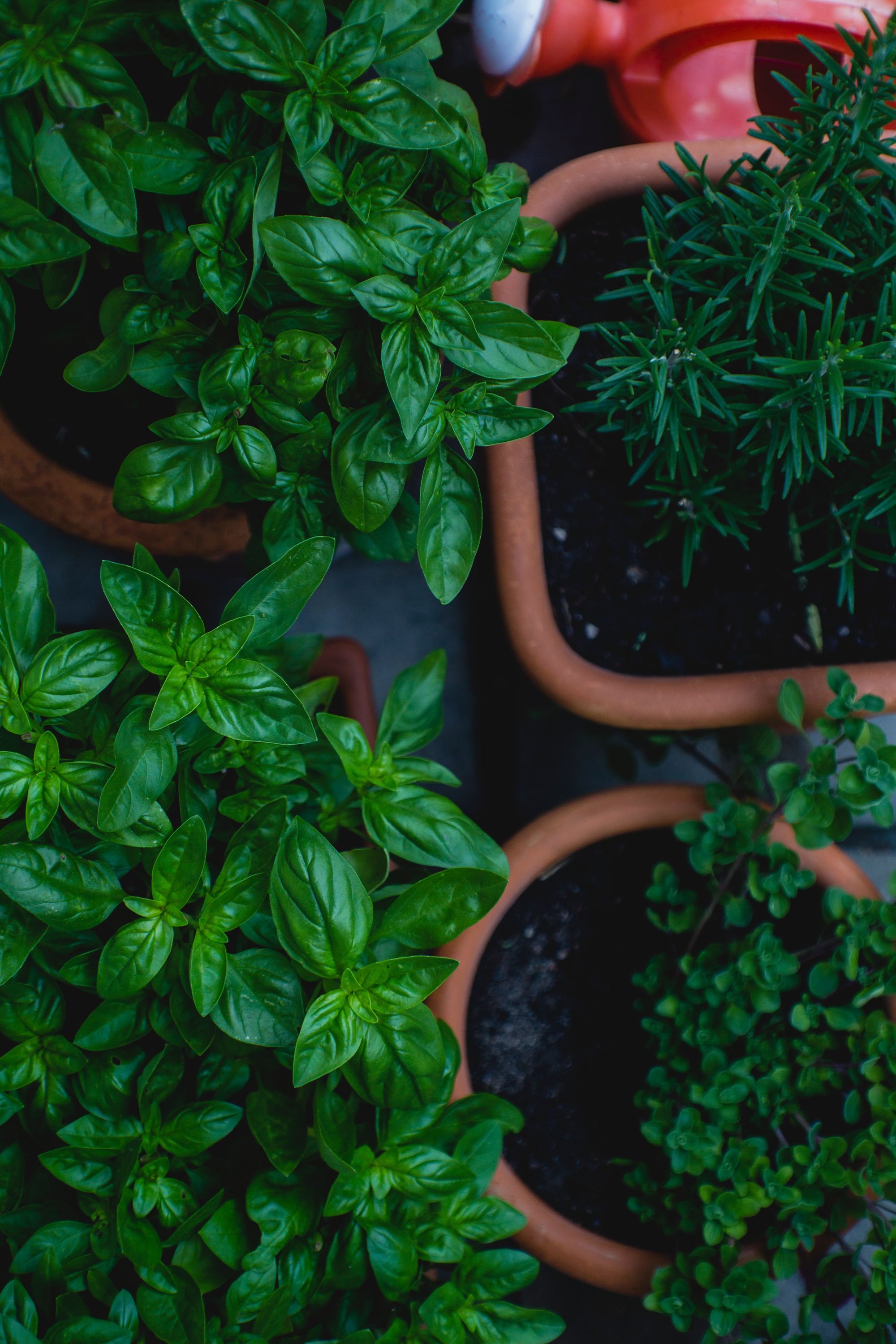



Herbs are one of the easiest and most affordable superfoods to incorporate into your diet, and they can be grown anywhere, from urban gardens to massive estates. Not only do herbs add flavor and variety to your meals, but they also contain powerful phytonutrients that can boost your health and nutrition levels. In this post, we’ll explore some of the incredible benefits of growing your own herbs, and how you can use them to make delicious, healthy meals.
Basil
Basil is a fragrant herb that is a staple in many kitchens. Its sweet, slightly spicy flavor pairs well with many different dishes, from bruschetta to pesto. But basil is not just a tasty herb - it’s also packed with anti-inflammatory compounds that can help to block inflammatory chemicals in your body. Additionally, the volatile oils present in basil can help to inhibit different types of pathogenic bacteria, making it a powerful antibacterial agent. Basil also contains flavonols, which are great for the health of your cells and can protect them against damage from things like radiation.
When harvesting basil, be sure to cut it just above the other bud so that the leaves underneath can continue to grow. The more you prune basil, the happier it is, and the more it will grow. You can use basil in a variety of dishes, including pesto, salads, and even with fruit like strawberries. If you’re looking for recipe ideas, check out the blogger’s brand new cookbook, The Joyous Cookbook.
Mint
Mint is another herb that is easy to grow and has a wide range of health benefits. Its fragrant oils can soothe your gastrointestinal system, calming the smooth muscles of your intestines and easing cramps and pain. Mint tea is a delicious and effective way to enjoy these benefits - just steep a cup of loosely packed fresh mint in hot water, and add a little honey if you like. Studies have also shown that the phytonutrients in mint can help to open up airways, making it a great choice for people with asthma or other respiratory issues.
In addition to its health benefits, mint is a versatile herb that can be used in many different dishes. Try adding it to smoothies or salads, or pairing it with pineapple or mango for a refreshing summer drink. Be sure to plant mint in its own planter, as it can quickly take over if planted in a larger garden.
French Tarragon
French tarragon has a unique, wonderful smell that can add a memorable flavor to your dishes. It pairs well with chicken, eggs, and tempeh, and is a good source of vitamin C, iron, potassium, and manganese. Animal and human studies have also shown that tarragon can be excellent for blood sugar metabolism and can help your cells be more sensitive to insulin, which is great news for anyone concerned about their blood sugar levels.
Oregano
No salad is complete without oregano, an herb with a delicious, fragrant aroma that can add a burst of flavor to any dish. Oregano is high in antioxidants, which can help to neutralize free radicals and protect your cells against damage. Free radicals are known to damage your DNA and promote cancer, making antioxidants a critical part of any healthy diet.
Rosemary
Rosemary is a fragrant herb that can add a touch of holiday cheer to any meal. Its aroma is so unique that it can make you feel joyful and energized. Rosemary is high in antioxidants and can help to negate the carcinogenic compounds that are produced when you char grill foods. Try using it in marinades or adding it to roasted vegetables or cocktails for a unique and delicious flavor.
The Power of Garnish: Don't Underestimate the Health Benefits of Parsley
Parsley, often relegated to a mere garnish on plates, is actually a highly nutritious herb that offers a range of health benefits. It is a rich source of vitamin C, folic acid, beta carotene, and other antioxidants that can help to protect your cells against damage from free radicals. Parsley also contains oils that have been found to be chemoprotective, meaning they can help to prevent carcinogenic compounds from causing cancer.
Additionally, parsley can help to neutralize bad breath by supporting the microbiome in your mouth. This is due to its ability to promote healthy gut bacteria, which can help to reduce inflammation and improve digestion. So next time you’re tempted to push aside that parsley garnish, think again!
Starting Your Own Herb Garden: A Simple and Rewarding Way to Enjoy Health Benefits and Connect with Nature
Starting your own herb garden is an easy and affordable way to enjoy the health benefits of herbs and add more flavor and variety to your meals. Herbs can be grown in pots or planter boxes, making them a great option for any living situation. Whether you have a small patio or a large backyard, you can start your own herb garden with just a few basic tools and a small amount of space.
To get started, choose a sunny location and prepare your soil by adding compost or fertilizer. You can then plant your herbs in pots or planter boxes, or directly in the ground. Be sure to water your herbs regularly and prune them as needed to encourage growth. With a little bit of patience and care, you’ll soon be enjoying fresh, flavorful herbs straight from your own garden.
In addition to the health benefits of growing your own herbs, it’s also a great way to get outside and connect with nature. Spending time in the garden can be a relaxing and rewarding activity, and it can help to reduce stress and improve your mental health. Plus, growing your own herbs is a sustainable choice that can help to reduce your carbon footprint and support the local ecosystem.
Some of the most popular herbs to grow include basil, mint, oregano, rosemary, thyme, and parsley, but you can also experiment with more unique varieties like cilantro, chives, and dill. Not only will you save money on expensive store-bought herbs, but you’ll also enjoy the satisfaction of growing your own food.
In conclusion, growing your own herbs is a simple and affordable way to improve your nutrition and add more flavor and variety to your meals. From the fragrant aroma of basil to the health benefits of mint and tarragon, herbs offer a range of benefits for your body and mind. Starting your own herb garden is also a sustainable choice that can reduce your carbon footprint and support your local ecosystem. So why not give it a try and start growing your own herbs today?